AI in Healthcare: Revolutionizing Patient Care and Diagnosis
Introduction
A young physician saw a patient with an unexplained ailment on a busy Monday morning. She tried her hardest to diagnose the problem accurately, but she was unable to do so. The patient's health was getting worse, and there was not much time left. As she was beginning to feel overwhelmed, she made the decision to try something different and entered the patient's symptoms into a diagnostic tool driven by AI. The patient was saved from death by the AI's lightning-fast diagnosis. For the doctor, this was a game-changing moment when he realized AI could revolutionize healthcare rather than just be a tool.
Main Content
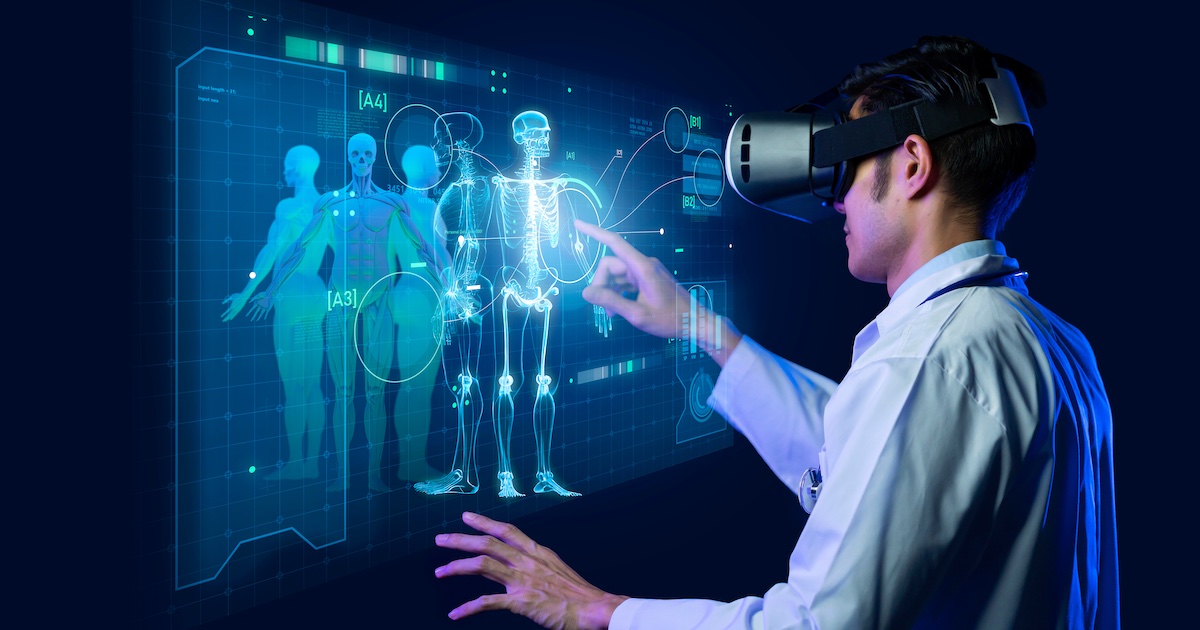
The healthcare sector is changing in ways that were unthinkable just a few years ago because to artificial intelligence (AI). Artificial Intelligence is becoming a vital component of modern medicine, from disease diagnosis to customized treatment regimens. Let's explore how AI is transforming diagnostics and patient care.
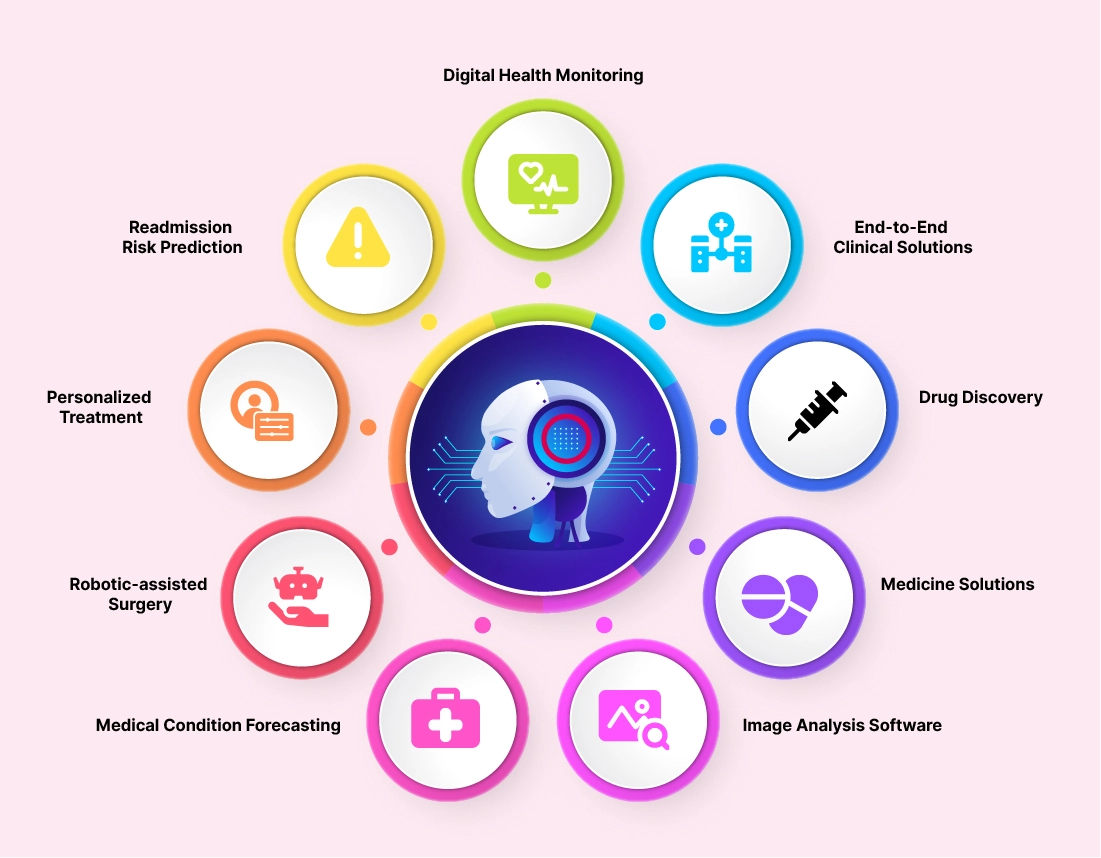
1. Early and Precise Diagnosis: Artificial intelligence systems process enormous volumes of data far more quickly than people. For instance, AI is frequently more accurate than human doctors at identifying early indicators of diseases like cancer from medical scans. This implies that illnesses can be detected early, improving patient outcomes.
1. Early and Precise Diagnosis: Artificial intelligence systems process enormous volumes of data far more quickly than people. For instance, AI is frequently more accurate than human doctors at identifying early indicators of diseases like cancer from medical scans. This implies that illnesses can be detected early, improving patient outcomes.
2. Tailored Care Plans: Every patient is different, and this includes how they react to therapy. AI is capable of creating extremely individualized treatment regimens by examining a patient's genetic composition, lifestyle, and past medical records. This strategy reduces negative effects while raising the likelihood of a successful outcome.
3. Predictive Analytics: AI goes beyond diagnosis to include prediction. Artificial intelligence (AI) can identify possible health problems before they worsen by examining trends and patterns in data. AI, for instance, can identify people who are more likely to develop heart disease, enabling prophylactic intervention.
3. Predictive Analytics: AI goes beyond diagnosis to include prediction. Artificial intelligence (AI) can identify possible health problems before they worsen by examining trends and patterns in data. AI, for instance, can identify people who are more likely to develop heart disease, enabling prophylactic intervention.
4. Streamlining Administrative Tasks: By automating repetitive administrative duties like scheduling, billing, and even patient follow-ups, artificial intelligence is also increasing the efficiency of healthcare. This frees up doctors to concentrate more on treating patients than on paperwork.
5. Improving Telemedicine: AI is making telemedicine more intelligent. Chat-bots and virtual assistants driven by AI are able to manage routine patient enquirers, prioritize symptoms, and even help with remote diagnosis, hence improving accessibility to healthcare.
5. Improving Telemedicine: AI is making telemedicine more intelligent. Chat-bots and virtual assistants driven by AI are able to manage routine patient enquirers, prioritize symptoms, and even help with remote diagnosis, hence improving accessibility to healthcare.
Conclusion
AI in healthcare is more than just a trend; it’s a revolution. From enhancing diagnosis accuracy to personalizing treatments and predicting health risks, AI is reshaping how we approach patient care. As we look to the future, the integration of AI in healthcare promises to bring even more breakthroughs, making medical care more efficient, personalized, and effective. The story of Doctor and her patient is just one example of how AI is already making a profound impact—one diagnosis at a time.
AI revolutionizing healthcare.

Great Content!!
ReplyDelete